
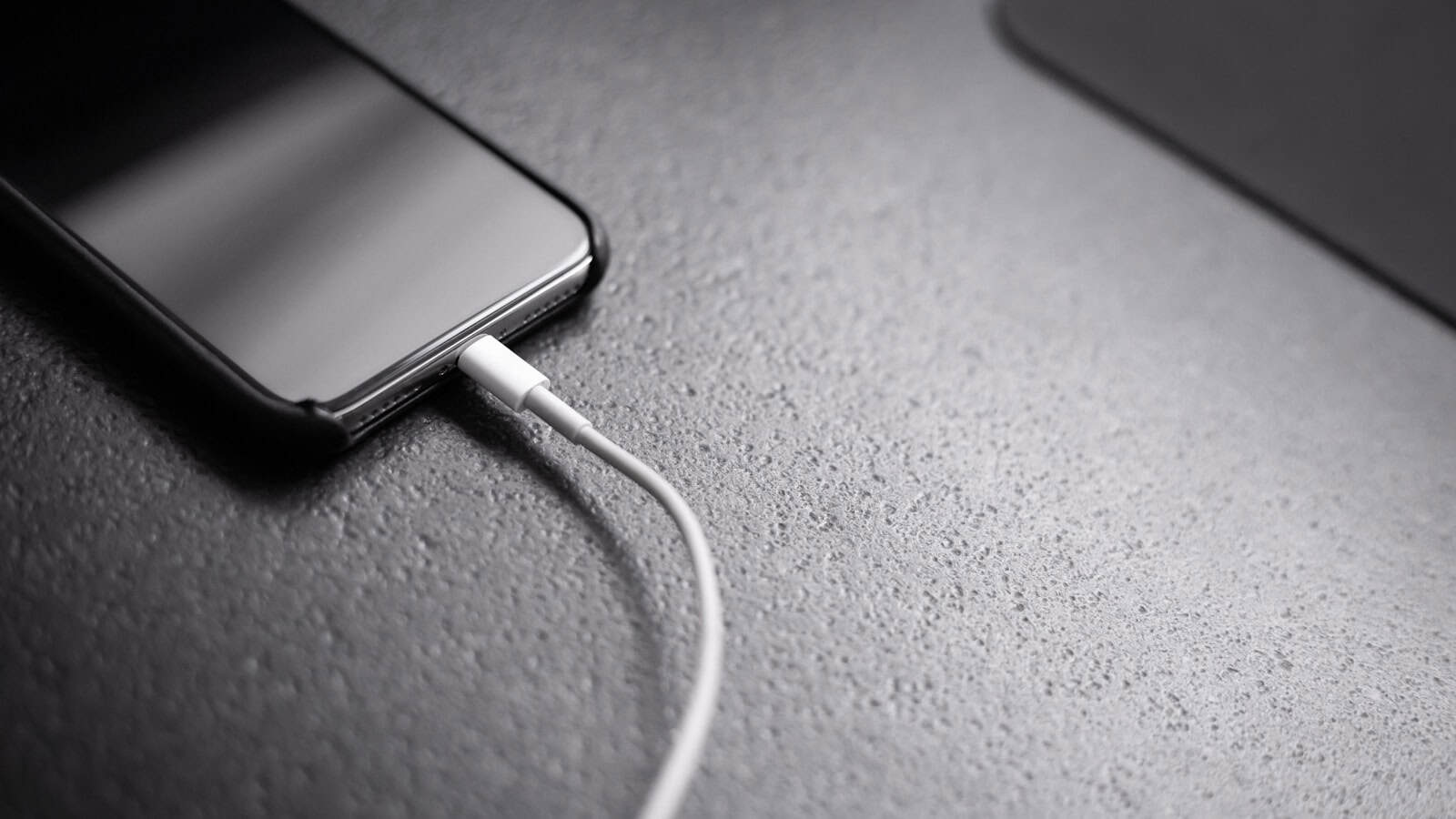
Every time a phone launches with a faster charger, the same comment shows up: “great, so the battery will be dead in a year.” It’s one of the most persistent questions in tech: does fast charging damage battery life, or is that just an old rumor? Mostly, it’s wrong.
There’s a real effect buried in there, and it isn’t the one people think it is.
The quick answer: Fast charging by itself is not what kills your battery. Heat is. Lithium-ion cells degrade chemically, and that chemistry runs faster at higher temperatures. A cell held hot ages dramatically quicker than the same cell kept cool. Fast charging generates heat, which is how it got the blame, but modern phones actively manage this: they charge quickly only in the low part of the range, taper off as the battery fills, and throttle or pause when temperature climbs. The genuinely damaging combination is heat plus a high state of charge held for a long time: like a phone sitting at 100% on a wireless pad in a warm room all night, or charging in direct sun. That’s also why charge-limit features exist. Use fast charging when you need it. Keep the phone cool, and don’t leave it parked at full.
How a lithium-ion battery actually wears out
Your battery doesn’t have a fuel gauge that empties permanently. It has a chemistry problem that accumulates.
Inside the cell, lithium ions shuttle between two electrodes. Charging pushes them one way, discharging lets them come back. Every cycle, a tiny fraction of the lithium gets locked up in side reactions instead of returning: most notably in a layer that builds on the anode surface. That layer is necessary in small amounts and harmful as it thickens. It permanently consumes lithium, and it makes the cell more resistant to current flow.
Two things accelerate this:
Temperature. Chemical reaction rates climb steeply with heat. This is the dominant factor, and it isn’t a small effect. A cell kept persistently warm can lose capacity several times faster than an identical cell kept at room temperature. Heat is the single best predictor of how fast a battery ages.
Time spent at a high state of charge. A fully charged cell sits at higher internal voltage, which stresses the electrolyte and speeds up those same side reactions. A battery parked at 100% degrades faster than one hovering around the middle, even if it’s doing nothing at all.
Combine them and the effect compounds. Hot and full is meaningfully worse than either alone. That’s the real villain, and notice how little it has to do with charging speed as such.
Where fast charging fits in
Pushing more current through a cell produces more heat. That’s basic physics, and it’s why the concern isn’t stupid. Higher charge rates also stress the electrode structure somewhat more.
But two things blunt this considerably in a modern phone.
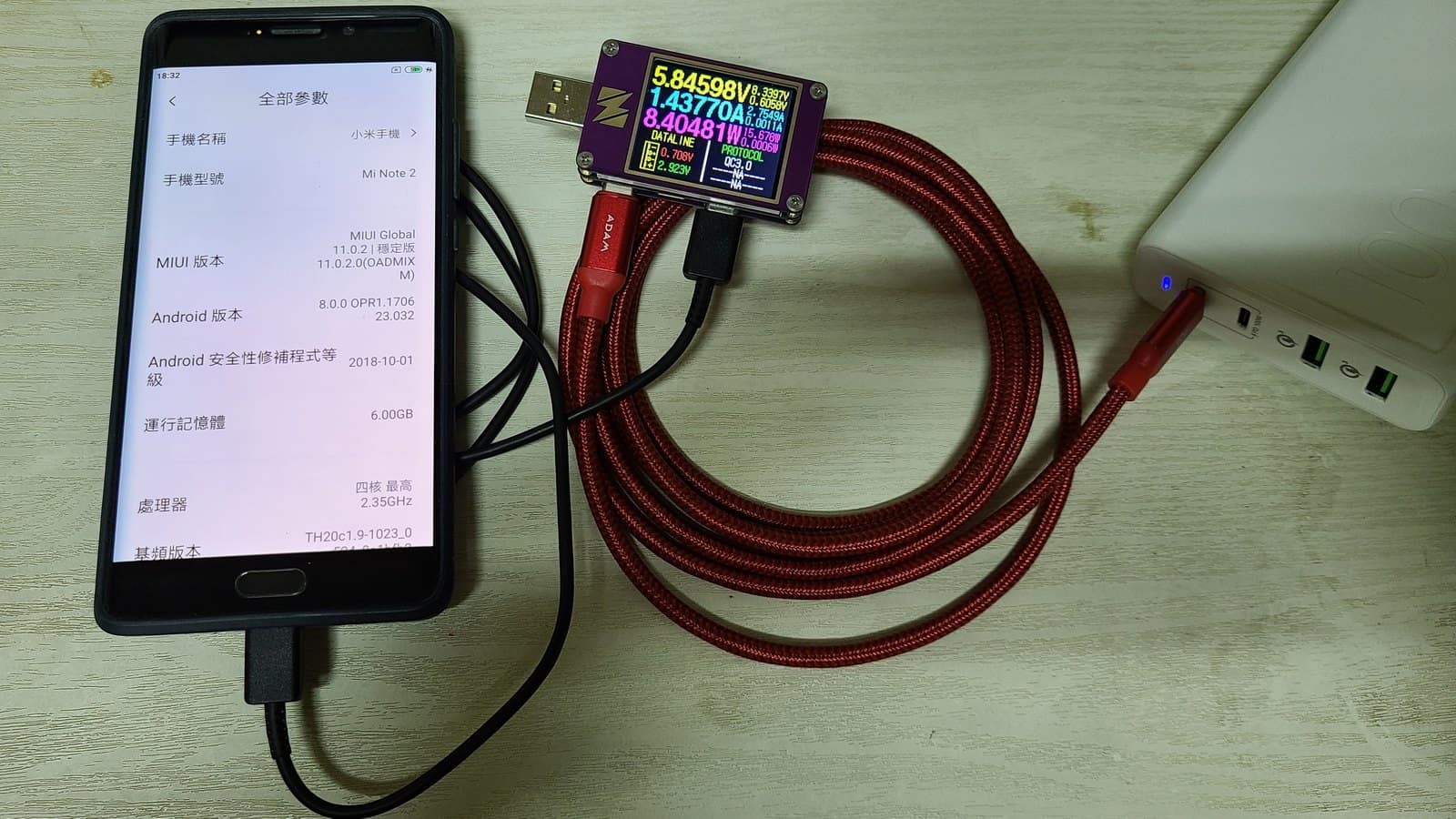
First, your phone doesn’t charge fast the whole time. The advertised peak wattage applies to a window in the lower part of the charge range, usually roughly the first half. After that the charge rate tapers steadily, and the last stretch to 100% is slow by design. The cell physically can’t accept high current at high state of charge without damage. This is why a “30 minutes to 50%” claim doesn’t translate to a full charge in an hour.
Second, the phone is watching the temperature. There’s a battery management system monitoring cell temperature continuously, and it will reduce the charge rate or stop charging entirely when things get warm. Phones with the most aggressive fast charging tend to have the most sophisticated thermal management, and often split the battery into multiple cells charged in parallel specifically to spread the heat.
The upshot: the manufacturer that sold you a very fast charger has already thought harder about this than the comment section has. Charging speed is a spec they compete on and a warranty liability they’d rather avoid, so the protective behaviour is built in.
What actually damages your battery
If you want to protect the cell, these are the things worth caring about: roughly in order of impact.
Heat, from any source
It doesn’t matter where the heat comes from. A phone left on a car dashboard in summer is doing more damage than a year of fast charging. Gaming for an hour while plugged in is worse than a quick top-up. Charging under a pillow or a thick blanket, or in a case that traps heat, turns a normal charge into a hot one.
The two worst combinations, both common:
- Charging while running something demanding. The processor makes heat and the charging makes heat, at the same time, in the same small aluminium box. Gaming or navigating while plugged in is the classic case. If your phone gets uncomfortably hot doing this regularly, it’s worth working through the common causes of phone overheating rather than accepting it as normal.
- Charging in a hot environment. Direct sunlight, a hot car, next to a radiator. The phone can’t dump heat into air that’s already warm.
Sitting at 100% for hours
Charging overnight is the habit almost everyone has, and it’s the one that quietly does the most cumulative damage: not because of the charging itself, but because of the hours spent full afterwards. Modern phones stop drawing meaningful current once they hit 100%, so they’re not “overcharging”. They’re just sitting at the highest-stress state of charge for six or seven hours a night, every night, for years.
Deep discharges
Regularly running to 0% and letting the phone shut down is hard on the cell too. The very bottom of the range is stressful in its own way, and a battery left flat for a long period can drop low enough to be permanently damaged. There’s no benefit to “fully discharging” a lithium battery. That advice is a leftover from nickel-based chemistries and doesn’t apply.
Cheap, uncertified chargers
Not because of speed, but because of quality control. Reputable chargers negotiate properly with the phone and deliver clean, regulated power. Genuinely bad ones can deliver unstable voltage or lack basic protections. Use the manufacturer’s charger or a recognised brand supporting the right standard, and this becomes a non-issue.
What to actually do
Turn on the charge limit if your phone has one. Most manufacturers now offer some version of this: capping charging at around 80%, or “adaptive”/”optimised” charging that fills to a partial level overnight and finishes just before your usual wake time. The adaptive option is the sweet spot: you avoid the long hot night at 100% and still wake up to a full phone. Look in Settings under Battery for something like battery protection, charging optimisation, or adaptive charging.
Stop charging overnight if you can. A fast charger genuinely removes the need. Twenty or thirty minutes while you shower and eat breakfast gets most phones most of the way there. This is the underrated argument for fast charging as a battery-health measure. It makes short daytime top-ups practical, which is exactly the pattern the chemistry prefers.
Take the case off for long or fast charges. Thick cases, especially rugged ones, are insulation. If your phone gets noticeably warm on the charger, removing the case makes a real difference.
Don’t game or navigate while charging when you can avoid it. If you must, car mounts in summer are the worst offender, get air moving over the phone and keep it out of direct sun.
Live in the middle of the range. Somewhere between roughly 20% and 80% is where the cell is happiest. This isn’t something to be neurotic about; it’s a default to drift toward. Top up opportunistically rather than running to empty and refilling to full.
Be a bit more careful with wireless charging. Wireless is less efficient than a cable, and the energy lost turns into heat right against the back of the phone. It’s fine for short top-ups. Leaving a phone on a pad all night, in a case, is the exact hot-and-full combination you want to avoid. If you use a pad overnight, one with a fan or a good thermal design is worth the money.
Do battery saver apps help?
No. Apps that claim to “optimise” or “extend” your battery’s lifespan can’t change the cell’s chemistry, and many of them run constantly in the background, which costs you power. Everything that actually protects the battery is either built into the phone’s own settings or is a habit. Nothing you install will help.
Frequently asked questions
Does fast charging damage your phone battery?
Not meaningfully on its own. Modern phones deliver peak charging speed only in the lower part of the range, taper as the battery fills, and throttle when the cell gets warm. The real ager of lithium-ion batteries is heat, and secondarily long periods spent at a high state of charge. Fast charging produces heat, which is why it gets blamed, but the phone actively manages that. Charging in a hot car, or gaming while plugged in, does far more damage than the charging speed itself.
Should I charge my phone to 80% instead of 100%?
If your phone offers the option, it’s a genuinely worthwhile habit. A battery held at full sits at higher internal voltage and degrades faster. The trade-off is obvious: you’re giving up usable capacity every day to preserve capacity years from now. A good middle ground is adaptive or optimised charging, which holds at a partial level overnight and tops up to full shortly before you wake, so you avoid most of the stress without losing the range.
Is it bad to leave my phone charging overnight?
The phone won’t overcharge. It stops drawing meaningful current at 100%. The issue is the hours it then spends sitting full, which is the highest-stress state for the cell, repeated every night for years. Enable your phone’s optimised or adaptive charging feature and the problem largely disappears. Also make sure it’s not charging somewhere that traps heat, like under a pillow or a thick duvet.
Does wireless charging hurt the battery more than a cable?
Indirectly, yes: wireless charging is less efficient, and the wasted energy becomes heat right against the back of the phone. For short top-ups it’s not worth worrying about. Where it adds up is overnight charging on a pad, in a case, which combines sustained warmth with a full battery. If wireless is your main method, use a pad with active cooling or good thermal design, and take thick cases off.
The bottom line
The myth got the mechanism wrong but the instinct half-right. Fast charging isn’t the enemy: heat is, and fast charging is one of several things that can produce it. Your phone already fights that battle on your behalf, throttling and tapering without telling you.
What it can’t do is stop you leaving it on a sunlit dashboard, or gaming for two hours while it charges, or parking it at 100% every night for three years. Those are the choices that show up in your battery health readout.
So use the fast charger. Genuinely. The ability to grab 40% in fifteen minutes is what lets you stop overnight charging entirely, which is better for the cell than any speed limit would be. Keep the phone cool, turn on whatever charge-limiting feature your manufacturer offers, and stop worrying about the wattage number.
Related: Phone Not Charging? Work Through These Fixes Before You Panic

I am the chief editor of TheLeaker. I also maintain the backend stuff of the site. I’m a tech enthusiast and loves to do Python coding in my free time. I have worked at many giant publications like XDA Developers and NXTtech before starting TheLeaker.
You can get in touch with me at Garv[at]theleaker.com.