
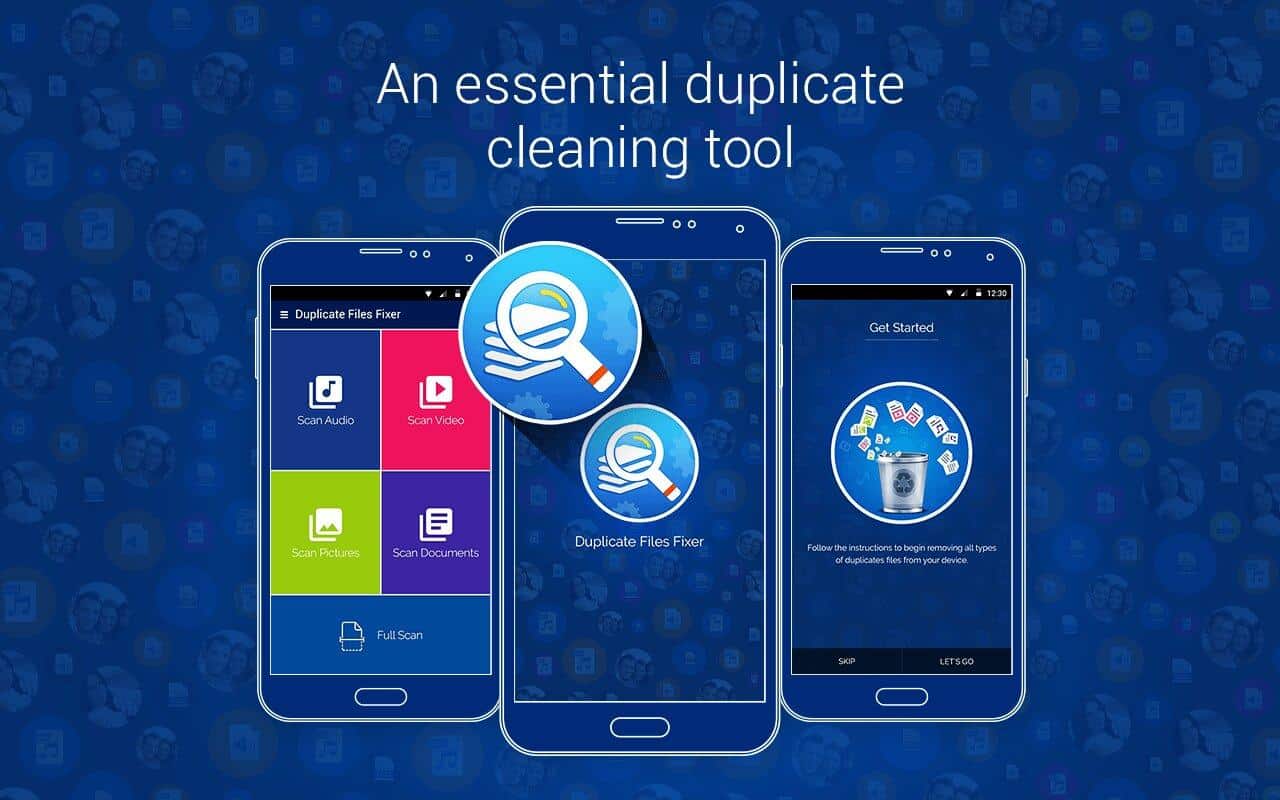
Duplicate files are the quietest storage thieves on Android. A photo saved twice, a WhatsApp image that also landed in your camera roll, the same PDF downloaded three times: none of it looks like a problem until “Storage full” pops up mid-photo. The good news: you can delete duplicate files from your Android phone in 2026 without installing anything. The tools are already on your phone.
The quick answer: Open Files by Google (preinstalled on most Android phones, free on the Play Store otherwise), tap Clean, and look for the Duplicate files card. It finds exact copies, keeps the original, and lets you delete the rest in two taps. For near-identical photos, ten shots of the same sunset, use Google Photos, which stacks similar shots so you can keep the best one. WhatsApp media and SD cards are the two biggest duplicate factories, and both have simple manual fixes covered below. Third-party “duplicate cleaner” apps from the Play Store are mostly unnecessary now: the built-in tools do the same job without the ads, the sketchy permissions, or the fake urgency. Deleting true duplicates is completely safe. You’re only removing extra copies.
Method 1: Files by Google (the only tool most people need)
Files by Google has a dedicated duplicate finder built into its cleaning suggestions, and it should always be your first stop. Here’s the flow:
- Open Files by Google. If your phone doesn’t have it, it’s a free install from the Play Store.
- Tap Clean in the bottom bar.
- Scroll the suggestion cards until you see Duplicate files. (It only appears when duplicates actually exist: no card means you’re clean.)
- Tap Select files. The app shows each duplicate group and automatically marks the copies while keeping the original.
- Review the selection, then tap Delete and confirm.
Files by Google matches files by content, not just name, so renamed copies still get caught. Deleted items go to the app’s trash for 30 days before they’re gone for good. A safety net if you ever delete the wrong thing. While you’re on the Clean tab, the junk files, large files, and old screenshots cards are worth a pass too.
Method 2: Google Photos for near-duplicate shots
Exact duplicates are the easy case. The bigger space hog is usually near-duplicates: burst shots, five attempts at the same group photo, screenshots taken twice. Files by Google won’t flag these because the files aren’t identical, but Google Photos will.
- Photo stacks: Google Photos automatically groups near-identical shots taken close together into a stack, with its pick of the best one on top. Open a stack, keep the winner, and delete the rest.
- Manage storage tool: In Google Photos, go to your profile picture, then Photos settings and the storage management section. It surfaces blurry photos, screenshots, and large videos for bulk review.
One thing to understand before mass-deleting: if backup is on, deleting in Google Photos removes the photo from your backup and your device. If you only want to clear phone storage while keeping the cloud copy, use the Free up space on this device option instead. That’s the whole point of it. For more tricks along those lines, see our guide on how to free up storage on Android without deleting anything.
Method 3: The WhatsApp duplicate problem
WhatsApp is the single biggest duplicate generator on most phones, for two reasons. First, every photo you send from your camera roll gets a second copy saved into WhatsApp’s own media folders. Second, every photo you receive can auto-download into your gallery, where it mingles with your real photos, and gets forwarded copies of itself across different chats.
Two fixes:
- Stop the bleeding: In WhatsApp, go to Settings > Storage and data and set media auto-download to manual, at least for videos. Then in Settings > Chats, turn off Media visibility so received media stops flooding your gallery.
- Clean what’s there: WhatsApp’s own tool at Settings > Storage and data > Manage storage has a Forwarded many times section. That’s where the meme copies live. Delete freely. Then run Files by Google’s duplicate card again; it scans WhatsApp folders too and will catch the send-copies.
Method 4: SD cards, the sneaky duplicate factory
If your phone has an SD card, watch for these classic traps:
- Moved, not moved: Some gallery and file manager apps copy files to the SD card and silently fail to delete the originals from internal storage. You end up with the full library twice. Fix: in Files by Google, browse Internal storage > DCIM and your SD card’s DCIM side by side and delete the redundant set: after confirming the copies are really on the card.
- Camera path switches: Changing the camera’s save location mid-life splits your photos across two DCIM folders, and later backups or “sync” apps can merge them into duplicates.
- Restored backups: Restoring a backup onto a phone that still has the SD card from the old phone is a guaranteed double-up.
The safe rule for SD-card cleanup: verify the surviving copy opens before deleting the other one. Cheap SD cards fail quietly, and a corrupt “copy” is not a copy.
Do you still need a third-party duplicate finder?
Honestly: usually not. In 2016 the built-in tools didn’t exist and dedicated apps filled a real gap (this article originally reviewed one). In 2026, Files by Google and Google Photos cover exact duplicates and similar photos between them, free and ad-free. Most duplicate cleaner apps on the Play Store today are ad-heavy, demand broad storage permissions they don’t need, and dress up routine scans with alarming “your phone is at risk” theatrics.
The one legitimate niche: power users with huge, messy libraries spread across an SD card and years of folders may want finer control: matching by partial content, previewing groups, tuning which folder wins. If that’s you, pick something reputable and long-established, check recent reviews, and never grant a cleaner app accessibility or device-admin permissions. No duplicate finder needs those.
Frequently asked questions
Is deleting duplicate files safe?
Yes: by definition, a true duplicate is an extra copy, so deleting it loses nothing. The safety habits that matter: keep one copy of every group, use tools that match by content rather than filename (Files by Google does), and lean on the 30-day trash as your undo button. The only real risk is near-duplicates, where two “same” photos aren’t identical: review those by eye instead of bulk-deleting.
Why do duplicate files keep appearing on my phone?
Almost always one of four culprits: WhatsApp saving a copy of everything you send and receive, downloading the same file again instead of finding the first one, sync or backup apps re-importing existing photos, and SD card moves that copied instead of moving. Fix the WhatsApp settings above and re-download habits, and the problem mostly stops regenerating.
Do duplicate cleaner apps actually help?
They work, but they’re rarely worth it anymore. The built-in Files by Google cleaner does content-based duplicate detection for free with no ads. Paid or ad-supported cleaners mainly add convenience features around the edges. Avoid anything that promises to “boost speed” or “fix your phone”: duplicates waste storage, not performance, and that framing is a red flag.
Will deleting duplicates make my phone faster?
Not directly: duplicates cost space, not speed. The exception: when storage gets nearly full (roughly the last 10%), Android genuinely does slow down, apps stall, and the camera can refuse to save. So if you’re at 95% capacity, clearing a few gigabytes of duplicates absolutely will make the phone feel healthier. Below that threshold, it’s tidiness, not tuning.
One last habit worth building: before you download a file, search your Downloads folder first. Half the duplicates on a typical phone are the same boarding pass, invoice, or PDF grabbed three separate times because searching felt slower than re-downloading. It isn’t.
Run the Files by Google clean once a month, fix the WhatsApp settings once, and duplicates stop being a thing you think about. No extra apps, no ads, no drama.

I am the chief editor of TheLeaker. I also maintain the backend stuff of the site. I’m a tech enthusiast and loves to do Python coding in my free time. I have worked at many giant publications like XDA Developers and NXTtech before starting TheLeaker.
You can get in touch with me at Garv[at]theleaker.com.
Comments are closed.