

Almost every “best phone for Instagram Reels” or “best phone for TikTok” list ranks phones on camera quality. That is a list for people who make short-form video. The overwhelming majority of us only watch it, and watching Instagram Reels, TikTok and YouTube Shorts has completely different requirements from filming them. So we built the ranking the other way round: start with what the research says actually happens when a person scrolls a feed, then score phones only on the things that measurably affect that experience.
The quick answer: the best phone for watching Instagram Reels, TikTok and YouTube Shorts is not the one with the best camera or even the best display. Because the average person watches short-form video for roughly 95 minutes a day in sessions of about 11 minutes, held one-handed and usually muted, the factors that decide the experience are battery under sustained video, weight, and display flicker (PWM dimming frequency). Scored that way across 12 phones, the big-battery flagships win: the Xiaomi 17 Pro Max and iQOO 15 tie at 84/100, with the OnePlus 15 just behind. The HONOR X9d is the value and flicker pick at roughly $425. The phones most lists put first do worst: the iPhone 17 Pro Max is the heaviest here at 233 grams, and the Pixel 10 runs 240Hz PWM, the lowest figure in this comparison.
First, what the data says about how people actually watch
Any scoring system is only as good as its assumptions, so here are ours, each drawn from published research rather than guesswork.
- Volume is high. TikTok users average around 95 minutes per day in-app, according to Sensor Tower data. Instagram users average around 30 minutes daily including Reels, and YouTube around 48.7 minutes of total watch time. For users under 26 the figure rises to roughly 152 minutes. Across all short-form platforms, about 87.5% of online adults watch weekly, averaging 6 hours 37 minutes a week, which works out at roughly 57 minutes a day.
- Sessions are short but frequent. Average session length is about 10 minutes 51 seconds, with users opening the app roughly 19 times a day. A peer-reviewed study analysing digital traces found mean session durations of 7.9 to 8.6 minutes across user groups, with most users having at least half their sessions under 10 minutes.
- The sound is usually off. This is the finding that reshapes the whole ranking. A survey of US consumers found 92% view mobile video with sound off. Verizon Media and Publicis Media found up to 69% prefer no sound in public. Meta reported 85% of Facebook video was watched muted.
- The video fills the screen. Instagram Reels, TikTok and YouTube Shorts all use a native 9:16 vertical format, which is designed to occupy the entire display. Vertical video takes up around 78% of screen space on mobile against roughly 26% for horizontal.
- It is a one-handed activity. Ergonomics research found the majority of people hold their phone in one hand (around 66.8%), usually angled downward, and that daily use beyond five hours correlates with thumb and wrist pain.
Put those together and a clear picture emerges: a person holds a phone in one hand, in silence, for about eleven minutes at a time, nineteen times a day, staring at a display that is emitting light directly into their eyes for an hour and a half daily. That is not a camera problem. It is an eye-comfort and ergonomics problem.
The specification nobody ranks on, and why it matters most
OLED screens do not dim the way an old light bulb on a dimmer switch does. Most of them use pulse width modulation, or PWM: the panel rapidly switches its pixels fully on and fully off, and brightness is set by the ratio between on and off time. The switching is too fast to consciously see, but the visual system still processes it.
Frequency is what determines whether that is comfortable. Low-frequency PWM, roughly 200 to 250Hz, sits squarely in the range the human visual system is most sensitive to, and it is the most commonly reported cause of screen-related eye strain and headaches. Higher frequencies, especially above around 2,000Hz, and DC dimming (which varies current instead of flickering) are far less likely to produce symptoms. A commonly used comfort scale rates 240 to 480Hz as poor, 960 to 1440Hz as fair, 1920 to 2880Hz as good, and 3840Hz or DC as effectively flicker-free.
This matters far more for Instagram Reels, TikTok and YouTube Shorts than for almost any other phone task, for a simple reason: duration. Checking a message takes seconds. Watching a feed takes an hour and a half a day, often in a dark room at low brightness, which is exactly when PWM frequency drops lowest on most panels.
Here is where the 2026 phones actually land. These figures come from manufacturer statements and published testing, not from our own lab.
| Phone | PWM frequency | Comfort band |
|---|---|---|
| HONOR X9d | 3,840Hz | Effectively flicker-free |
| Xiaomi 17 Ultra | DC dimming, flicker-free certified | Effectively flicker-free |
| OnePlus 15 / 13R | 2,160Hz | Good |
| Xiaomi 15 Ultra | 1,920Hz plus DC dimming | Good |
| Nothing Phone 3 | 960Hz (DC dimming at higher brightness) | Fair |
| Galaxy S26 / S26 Ultra | 480Hz | Poor |
| iPhone 17 series | 480Hz | Poor |
| Pixel 10 Pro | 480Hz | Poor |
| Pixel 10 | 240Hz | Poor |

Android Authority put the question directly to Samsung representatives and confirmed the S26 series runs at 480Hz. That is the same band as a standard iPhone 17, and below what a mid-range HONOR handset delivers for a fraction of the price. If you are among the minority who get headaches from OLED screens, the most expensive phones on sale are not the answer, and no amount of camera quality compensates.
A necessary caveat: PWM sensitivity is not universal. Most people report no symptoms at 480Hz. If you have never had eye strain from a phone, this factor should carry less weight for you than it does in our scoring. If you have, it should carry more.
Weight is the second-biggest factor, and for the same reason
An eleven-minute session is a long time to hold a rigid object in one hand at an awkward wrist angle. Ergonomics research points to roughly 180 grams as the threshold below which a phone feels noticeably lighter during extended use, and notes that people with smaller hands experience measurably greater muscle fatigue. Larger displays compound it by forcing the thumb to overextend.
Almost every 2026 flagship is above that threshold, some considerably:
| Phone | Weight | Over the 180g comfort threshold by |
|---|---|---|
| HONOR X9d | 193 g | +13 g |
| Pixel 10 | 204 g | +24 g |
| Pixel 10 Pro | 207 g | +27 g |
| Galaxy S26 Ultra | 214 g | +34 g |
| iPhone 17 Pro Max | 233 g | +53 g |

The iPhone 17 Pro Max is 40 grams heavier than the HONOR X9d. Over a 95-minute daily total, held one-handed, that difference is felt. It is also the single most-ignored specification in phone reviews aimed at media consumption.
Why speaker quality is deliberately weighted low
This is where our ranking diverges hardest from conventional reviews. Speaker quality is usually treated as a headline feature for a “media phone.” But if 85 to 92% of mobile video is watched with the sound off, then for most people, most of the time, the speakers are simply not in use.
We have not scored audio at zero, because a minority do watch with sound, and because speakers matter when a video genuinely warrants unmuting. But weighting stereo speaker quality above display comfort would be scoring the phone for a use case the data says is the exception, not the rule.
How we scored, and the weights we used
Each factor is weighted by how strongly the research suggests it affects a real viewing session. An earlier version of this ranking put half the total score on display characteristics, which over-rewarded panel specs at the expense of things that matter just as much across a 95-minute day. Display-related factors are now 32 points of 100, and thermals were added as a factor in their own right, because sustained heat is what actually degrades a long session.
| Factor | Weight | Why |
|---|---|---|
| Battery under sustained video | 20 | Video decode plus a lit display for 95 minutes a day is the heaviest common load a phone sees |
| Ergonomics (weight and width) | 20 | One-handed grip, 11-minute sessions, 19 times a day |
| Display flicker (PWM / DC dimming) | 15 | Long cumulative exposure, often at low brightness |
| Thermals and sustained performance | 12 | Heat throttles decode and makes the phone unpleasant to hold |
| Display quality (brightness, colour) | 12 | Matters most outdoors and for colour-graded Reels |
| Speaker and audio | 10 | Kept modest: most viewing is muted, but not all of it |
| Connectivity and signal | 6 | Feeds pre-buffer; weak reception causes stalls |
| Screen area for 9:16 content | 5 | Real but small once a phone is past about 6.5 inches |
What changed when we rebalanced. Cutting display from 50 points to 32 and adding thermals moved the ranking substantially, and in a direction worth explaining. Phones with very large batteries and proper cooling rose. The HONOR X9d, which won the earlier display-heavy version outright, fell to fourth: its 3,840Hz flicker performance is still the best here, but a mid-range panel and weak speakers cost more once display is not carrying half the score. Meanwhile the base Galaxy S26 climbed into the top six almost entirely on being the only phone in this comparison under the 180-gram ergonomic threshold.
The ranking
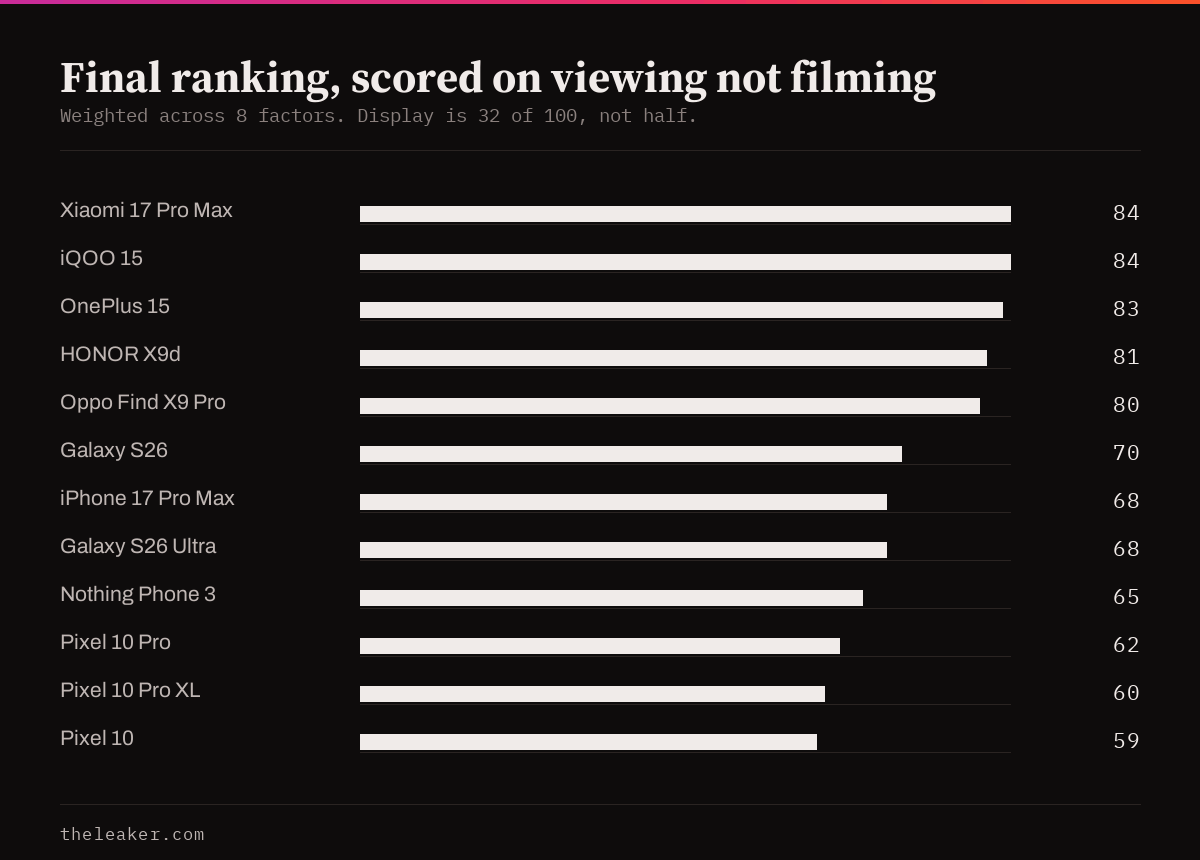
1. Xiaomi 17 Pro Max, 84/100
The most complete phone here for watching. A 7,500mAh battery, 2,160Hz PWM, and a 6.90-inch LTPO panel rated at 3,500 nits, which is the brightest in this comparison. It is the rare device that is near the top on battery, flicker and display simultaneously. Its weakness is physical: 219 grams and 77.6mm wide make it a two-handed phone for many people, and that is the only thing keeping it under 90.
2. iQOO 15, 84/100
Separated from the Xiaomi by less than a fifth of a point. It pairs 2,160Hz PWM with 1-pulse DC dimming, which is the most thorough flicker mitigation of any phone here apart from the HONOR, and its 6.85-inch 2K panel runs to 2,600 nits. The 7,000mAh battery and dedicated cooling give it the best sustained-performance score in the ranking, so it holds its brightness and frame rate deep into a long session. At roughly 217 grams it carries the same ergonomic penalty as the Xiaomi.
3. OnePlus 15, 83/100
The best balance of the big-battery flagships. 211 grams is meaningfully lighter than the Xiaomi, iQOO and Oppo, the 7,300mAh battery is near the top, and 2,160Hz PWM keeps late-night scrolling comfortable. Nothing about it is class-leading, and nothing about it is weak. If you want one phone from this group without thinking hard about trade-offs, this is it.

4. HONOR X9d, 81/100
Still the flicker champion and still the value pick, but the rebalance exposed its limits honestly. Its 3,840Hz PWM is effectively flicker-free and the best figure of any phone here, its 8,300mAh battery is the largest in the comparison, and at 193 grams it is the lightest phone here apart from the base Galaxy S26. What pulls it down is everything the earlier display-heavy model under-counted: a mid-range panel that does not approach flagship brightness or colour accuracy, weaker speakers, and a Snapdragon 6 Gen 4 that limits sustained performance. If you are flicker-sensitive or on a budget, this is still the phone to buy, at roughly $425. If you are neither, the three above it are better all-round.
5. Oppo Find X9 Pro, 80/100
The endurance winner outright. Its 7,500mAh silicon-carbon battery produced an Active Use Score of 21 hours 57 minutes in GSMArena’s testing, the highest figure here, and it runs 2,160Hz PWM. Two things hold it back: at 224 grams it is among the heaviest, and its measured peak brightness of 1,803 nits in independent testing is well below the headline numbers of the Xiaomi and Pixel panels, which matters outdoors.
6. Galaxy S26, 70/100
The surprise of the rebalance, and a useful result. At 167 grams it is the only phone in this entire comparison below the 180-gram ergonomic comfort threshold, and it is the only one that does not fight you during an eleven-minute one-handed session. Its 6.3-inch panel is excellent. What holds it to sixth is a 4,300mAh battery, the smallest here by a wide margin, and 480Hz PWM. If your sessions are short and frequent rather than long, move this up your list; if you scroll for an hour at a stretch, the battery will show.
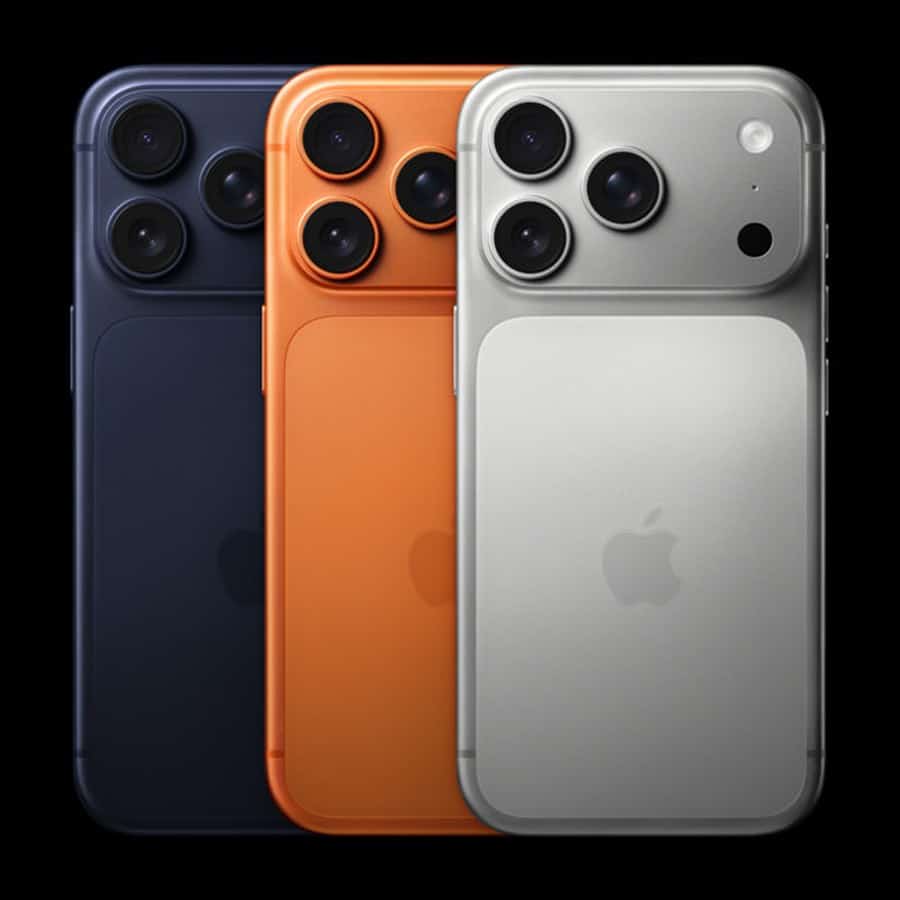
7. iPhone 17 Pro Max, 68/100
It rises from last place under the rebalanced model, which is the honest outcome: its thermal management and speakers are excellent, and both count for more now. It still has the best audio here by a clear margin, which matters for the minority who watch unmuted. But it remains the heaviest phone in the comparison at 233 grams, 53 grams above the ergonomic threshold, and it runs 480Hz PWM. For filming short-form video it would rank at or near the top. For watching it, it sits mid-table.
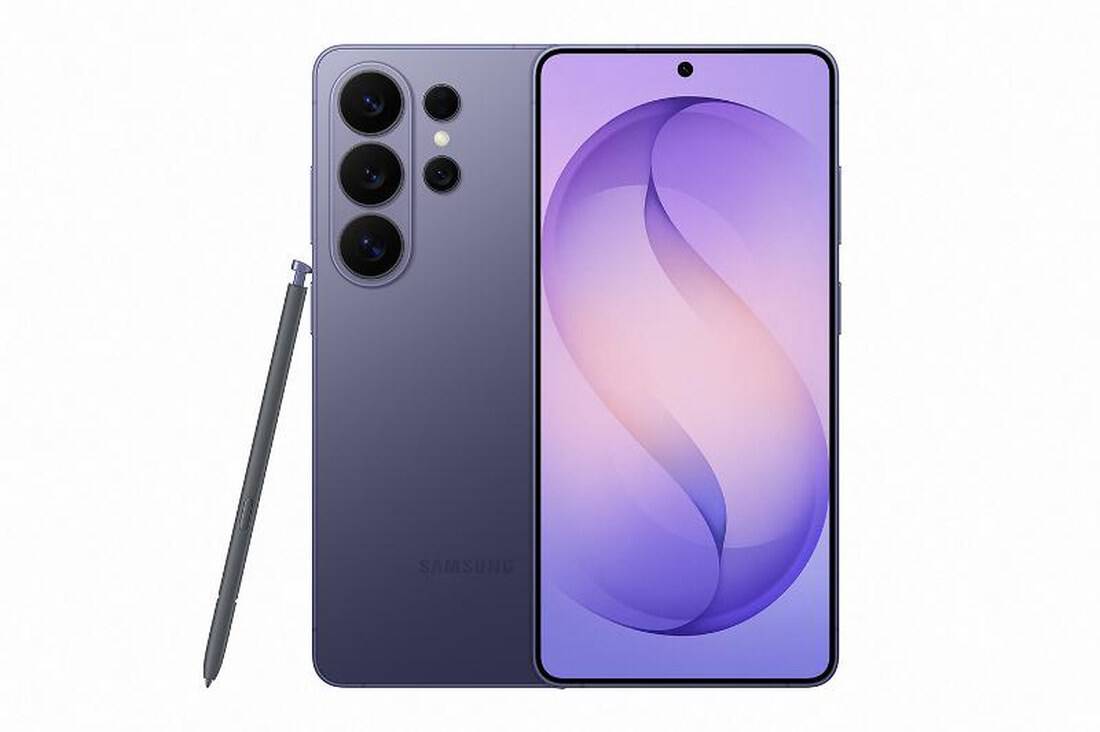
8. Galaxy S26 Ultra, 68/100
One of the best display panels made, and it scores near the top on display quality and screen area. But 480Hz PWM, 214 grams and a battery that is modest next to the 7,000mAh-plus Chinese flagships leave it mid-table for this specific job. Everything that makes it a superb all-round phone is largely irrelevant to watching a feed.
9. Nothing Phone 3, 65/100
Nothing originally advertised a 2,160Hz PWM rate, which would have placed it near the top of the flicker table. In retail software it ships 960Hz, a change Nothing confirmed publicly, explaining that the panel prioritises picture quality at low brightness. It uses DC dimming at medium and high brightness and switches to PWM below that, which is a sensible hybrid and still clearly better than the 480Hz group. What keeps it here is the rest of the hardware: 218 grams, and a 1,600-nit peak that is roughly half the Xiaomi’s.

10. Pixel 10 Pro, 62/100
A superb 3,300-nit panel attached to a phone that is otherwise poorly suited to this job. 480Hz PWM, a battery that is small next to the big-battery flagships, and Tensor’s well-documented thermal behaviour under sustained load all count against it. The 6.3-inch size is easier to hold than the 6.9-inch giants, which is what keeps it ahead of its XL sibling.
11. Pixel 10 Pro XL, 60/100
The same excellent 3,300-nit display and a larger 5,200mAh battery, but 232 grams puts it within a gram of the iPhone as the heaviest phone here, and it inherits the same 480Hz flicker and thermal limits. The larger 6.8-inch screen is the reason to pick it over the Pro, and weight is the reason not to.
12. Pixel 10, 59/100
Last, and for one dominant reason: its 240Hz PWM is the lowest figure in this entire comparison, sitting squarely in the frequency band most associated with eye strain. For a phone that will be used to watch video for over an hour a day, that is a real cost. It is otherwise a likeable 204-gram phone with a good 3,000-nit panel, and if you are not flicker-sensitive it is far better than 59 suggests.
Notable, but not scored: Xiaomi 17 Ultra
It uses DC dimming with flicker-free certification, which sidesteps the PWM problem entirely rather than mitigating it. We could not verify its weight and battery endurance from a primary source, so rather than estimate two of the three heaviest-weighted factors it is left out of the scored table. On flicker alone it would rank at or near the top.
What this means if you are actually shopping
- If you get headaches or eye strain from phones, PWM frequency should be your first filter, and it eliminates most flagships. The HONOR X9d at 3,840Hz and the iQOO 15 at 2,160Hz plus DC dimming are the two strongest here; any phone advertising DC dimming or 1,920Hz and above is worth a look.
- If you scroll for long stretches rather than in short bursts, battery is the factor to lead on, and it favours the 7,000mAh-plus group: Oppo Find X9 Pro, Xiaomi 17 Pro Max, OnePlus 15 and iQOO 15. The base Galaxy S26 is the opposite case, superb to hold but the smallest battery here at 4,300mAh.
- If you have small hands or scroll in bed one-handed, weight matters more than screen size. A 6.3-inch Pixel is easier to live with than a 6.9-inch Ultra, whatever the spec sheet says.
- If you watch outdoors a lot, peak brightness moves up your list and the Pixel 10 Pro’s 3,300 nits becomes the strongest argument here.
- If you are buying for camera quality, ignore this ranking entirely. It scores the opposite job.
Do Instagram Reels, TikTok and YouTube Shorts have different requirements?
Mostly no, and that is why one ranking covers all three. All three feeds serve 9:16 vertical video full-screen, all three autoplay muted by default, and all three are scrolled one-handed. The specifications that matter are therefore the same across them. There are three differences worth knowing about, though.
- YouTube Shorts is the most demanding on battery. Shorts sits inside the main YouTube app, which supports higher bitrates and resolutions than the other two, and YouTube averages around 48.7 minutes of daily watch time overall. On phones with weaker sustained performance, Shorts is where you notice heat and drain first.
- Instagram Reels is the most affected by display colour. Reels carries heavy in-app editing, filters and saturated colour grading, so a panel that oversaturates makes already-processed footage look worse. This is the one case where colour accuracy, not just brightness, changes the experience.
- TikTok has the longest sessions. At an average session of about 10 minutes 51 seconds, TikTok runs roughly four times longer per session than Instagram. That makes weight and flicker matter more on TikTok than on the other two, simply because you hold the phone longer without putting it down.
If you split your time across all three, weight the ranking as published. If you almost exclusively watch YouTube Shorts, move battery up. If you almost exclusively watch Instagram Reels, move display quality up.
A note on foldables
Foldables are deliberately excluded from the scored ranking, because scoring them on the same axes would be misleading rather than informative. Three issues make them a special case for short-form video: the inner display’s aspect ratio is close to square, so a 9:16 video either letterboxes heavily or crops; the crease sits in the middle of the frame where vertical video puts its subject; and folded weight is typically well above 230 grams, which is worse than any slab phone here on the ergonomics measure. A foldable can be an excellent phone and still be a poor choice specifically for feed scrolling. If you already own one, using the cover display for casual scrolling avoids both the crease and the aspect-ratio waste.
Frequently asked questions
Does refresh rate matter for watching short-form video?
Less than you would expect. Most short-form video is encoded at 30 or 60fps, so a 120Hz panel does not show you more video frames. It does make the scrolling motion between clips smoother, which is a genuine but smaller benefit than the marketing implies.
Is a bigger screen always better for Reels and TikTok?
No, and this is the most common mistake. Because native short-form video is 9:16 and fills the display, a larger screen shows the same content larger, but it also increases weight and forces thumb overextension. The research on one-handed use suggests that past roughly 6.5 inches, the ergonomic cost starts outweighing the visual benefit for most hands.
How can I check my own phone’s PWM frequency?
You cannot measure it from software on the phone itself. The usual method is the “pencil test” (wave a pencil in front of the screen at low brightness and look for a stroboscopic, stepped trail rather than a smooth blur), or filming the screen with a second phone’s slow-motion camera and looking for banding. Neither gives you a number, but both reveal whether flicker is present.
Does dark mode help with eye strain while scrolling?
It reduces total light output, which helps in a dark room. But it can make PWM flicker worse rather than better, because a darker image means lower panel brightness, and PWM frequency typically drops at low brightness. If you are flicker-sensitive, raising brightness slightly can paradoxically feel better than dark mode.
Is the best phone for Instagram Reels the same as the best phone for YouTube Shorts?
For watching, yes, with one caveat. Both serve 9:16 video full-screen and both are usually watched muted, so display flicker and weight dominate either way. The exception is battery: YouTube Shorts runs inside the main YouTube app at higher bitrates, so it drains faster than Reels on the same phone.
Does a phone that is good for watching Reels also make good Reels?
Not necessarily, and often the opposite. Filming rewards camera hardware, stabilisation and processing power, which push a phone toward being larger and heavier. Watching rewards low display flicker and low weight. The iPhone 17 Pro Max ranks last here for watching and would rank at or near the top for filming.
Which single specification should I check first?
If you are sensitive to screen flicker, PWM frequency. If you are not, weight. Both are usually buried in spec sheets or absent entirely, which is precisely why they get ignored.
How we sourced this
Behavioural figures come from published research and industry data: Sensor Tower for daily usage, a peer-reviewed digital-trace study for session duration, Verizon Media and Publicis Media plus Meta for muted-viewing rates, and published ergonomics research for one-handed use and weight thresholds. PWM figures come from manufacturer statements (including Samsung’s own confirmation of 480Hz to Android Authority) and published testing. Device specifications are manufacturer-published unless noted.
This ranking was rebalanced after publication. The first version weighted display characteristics at 50 points of 100, which over-rewarded panel specifications; they now account for 32, thermals were added as a separate factor, and the device list grew from 8 phones to 12. The HONOR X9d led the original version and now places fourth. We have left that on the record rather than quietly restating the result.
We did not measure any display in a lab ourselves, and we say so rather than implying otherwise. The Nothing Phone 3 figure was initially unverified and scored conservatively at 66; the retail 960Hz rate has since been confirmed by Nothing publicly, and the score was left unchanged because the verified figure did not move it. Product photography is supplied by each manufacturer’s press and newsroom resources and is credited to its source beneath every image.
Related: Phone Camera Settings That Instantly Improve Your Photos

I am the chief editor of TheLeaker. I also maintain the backend stuff of the site. I’m a tech enthusiast and loves to do Python coding in my free time. I have worked at many giant publications like XDA Developers and NXTtech before starting TheLeaker.
You can get in touch with me at Garv[at]theleaker.com.